Create High-Quality Textiles with Direct to Garment Printing!

There are a lot of fabric printing techniques in the world and choosing one can get confusing. Which one is the most reliable? Which is cost-effective? How much time does it take?

The questions are endless. But the answer is one: Direct To Garment printing (DTG).


What is Direct to Garment Printing?

Direct Digital Inkjet (DTG) is a fabric printing technology that sprays ink onto fabric to print designs. The ink seeps into the fabric fibers, resulting in a smooth and flat finished fabric surface.
Typically, before printing, the fabric is pre-coated to allow the ink to adhere more tightly to the fabric.

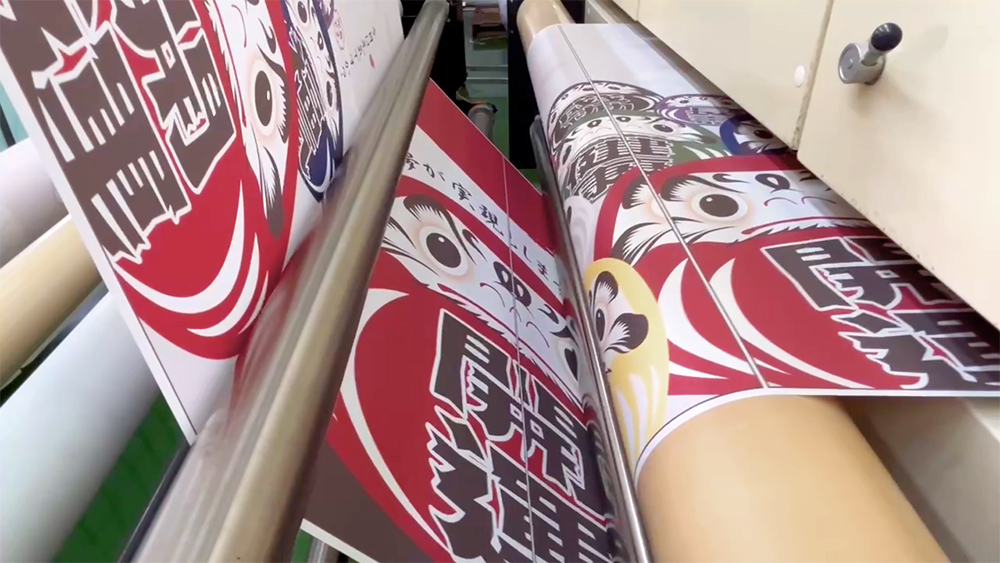
After completing the pre-printing processing steps for the fabric, place the fabric on the printing machine and begin printing the pattern. The machine will spray ink directly onto the fabric, and the printing will be completed within minutes.

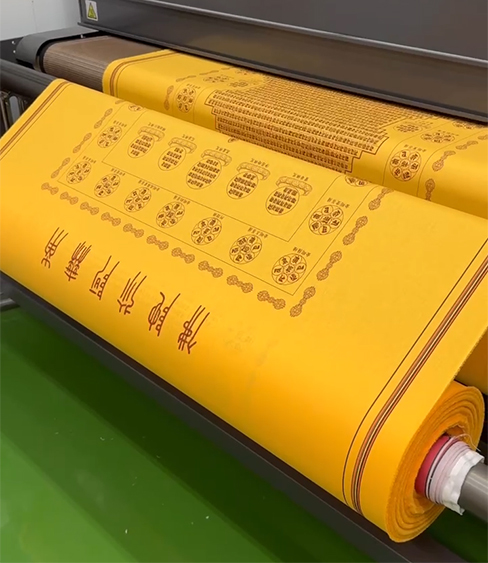
After printing, the fabric flowers need to be dried at high temperature (or steamed and washed) before they can be delivered!


數位直噴布料印花

Direct-to-Fabric Printer (for Natural Fibers)

數位直噴布料印花

Direct-to-Fabric Printer (for Synthetic Fibers)

What is so good about DTG Printing?
  • High quality: DTG technique is rich in color and saturation, and after printing, it feels soft, comfortable, and breathable, with good washing fastness and no fading.
  • Minimal Setup: The setup required for fabric printing via the DTG process is very basic and easy. Unlike traditional printing, which takes time and costs to set up molds, greatly reduces production and time costs.
  • Variety in Colour and Design: There is no color limit, so it can present full-color printing, gradient layers, etc. Unlike other fabric printing technologies, DTG printing does a great job for extremely detailed designs with a range of colors.
  • Quick and Economical: Given the minimal setup in DTG printing, the printing can start as soon as the graphic is received. With one pass, the design gets printed on the fabric, no matter the number of colors or intricacies in the design.
  • Eco-friendly: Since the setup is minimal and there are no mandates for bulk orders, textile waste and overproduction are zero. Only the part that needs to be printed will be inked, no ink waste, lower ink consumption, and more environmentally friendly, which is beneficial to sustainable development.

Things to Remember about DTG Printing:
  • Type of Fabric: Direct-to-garment printing can be used on natural fabrics such as cotton, linen, bamboo, and other natural fibers. We also have another type of machine that can be used on synthetic fabrics such as polyester, allowing for more variety. It produces the best results on light-colored fabrics, especially white.
  • Graphics' Details: The print on the fabric is as good as the image shared. Higher resolution images with at least 300 PPI (pixels per inch) are desirable for better results. Sharing raster or vector images in typical formats like JPEG, PNG, PSD, etc is a plus point.
  • Suitable for mass production: Since manual fabric changes are required, the number of orders for digital direct-to-garment printing should be as large as possible to avoid spending too much time changing fabric types and getting the printer on and off, which would affect the amount of fabric used and the number of printing days.
  • Issues with Pre-Treatment: If not done correctly, pre-treatment can cause staining, bleaching, or crystallization of the fabric, resulting in a bad print on the fabric.

Application Scenarios of Digital Direct-to-Gallery Printing
  • National Flags: Various national flags, banners, banners, etc.
  • Clothing Fabric Printing: T-shirts, shirts, scarves, cotton skirts, trousers, etc., made of natural fabrics.
  • Home Decor Fabric Printing: Bed sheets, pillowcases, curtains, drapes, sofa fabrics, tablecloths, throw pillow fabrics, etc.
  • Pure Cotton Face Masks: Tri-fold cloth masks, one-piece cloth mask covers, etc.
  • Customized Design Printing: Such as independent designer clothing, textiles, and home textiles.
  • Medium/Large-Scale Production: Due to its fast printing speed and stable quality, it is suitable for large-volume order production.

Comparison of the advantages and disadvantages of DTG printing:

Advantages Disadvantages
No need to set up mold, multiple designs better results for printing on materials with more than 80% cotton
Easy and convenient production process operator training is required
Customizable design Not easy to use international color cards for color matching
1-yard production Printing height is limited to 5mm
No plate development and post-processing costs High cost of mass printing
No environmental pollution Equipment needs to be placed in a dust-free environment


Irrespective of the above shortcomings, with the correct fabric type and quantity, Direct To Garment fabric printing yields very high-quality products.

Top